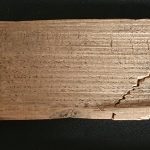
In November 2016, Archaeovision undertook a programme of digital imaging in support of two parallel research projects examining the inscriptions and material culture associated with the Pyu urban tradition of Myanmar. The work formed a technical contribution to both the Pyu epigraphy sub‑project (PI: Nathan W. Hill, SOAS University of London) within the ERC Synergy Grant ‘Beyond Boundaries: Religion, Region, Language and the State’ (ASIA 609823), and the EFEO‑led project ‘From Vijayapuri to Sriksetra? The Beginnings of Buddhist Exchange across the Bay of Bengal as Witnessed by Inscriptions from Andhra Pradesh and Myanmar’ (PI: Arlo Griffiths), funded by The Robert H. N. Ho Family Foundation.
The aim of the 2016 campaign was clear: produce Reflectance Transformation Imaging (RTI), high-resolution images using raking light, and high‑resolution photogrammetry of inscriptions and carved stone to support ongoing editorial, linguistic, and archaeological research. The digital outputs were aligned with the publication infrastructure established by the Corpus of Pyu Inscriptions, Studies in Pyu Epigraphy I (BEFEO 103, 2017), and Studies in Pyu Epigraphy II (Journal of Burma Studies, 2024), forming part of a long‑term scholarly dataset.
Research Framework and Collaborative Context
The Pyu inscriptions form a multilingual corpus spanning Pyu, Pali, and Sanskrit. Their reading requires careful integration of philology, epigraphy, archaeology, and digital methods. Archaeovision’s work sat within this wider collaborative structure, providing imaging datasets intended for reuse in editorial and analytical tasks.
The ERC Beyond Boundaries sub‑project, led by Nathan W. Hill, focused on the linguistic and philological dimensions of the inscriptions, requiring high‑fidelity surface documentation to confirm letterforms, resolve ambiguities, and support re‑edition. In parallel, the EFEO / Ho Family Foundation project led by Arlo Griffiths examined connections between the Pyu inscriptions and epigraphic material in Andhra Pradesh. These frameworks and publication metadata are reflected in BEFEO 103 and the Corpus of Pyu Inscriptions.
Anchoring Publications and Digital Resources
Studies in Pyu Epigraphy I (BEFEO 103, 2017)
Authored by Arlo Griffiths, Bob Hudson, Marc Miyake, and Julian Wheatley, this volume provides the state‑of‑the‑field overview, the edition of the Kan Wet Khaung Mound inscription, and an inventory of Pyu inscriptions with stable identifiers. It is available open‑access via Zenodo.
Studies in Pyu Epigraphy II (Journal of Burma Studies, 2024)
This second major publication, by Marc Miyake and Julian Wheatley, analyses Pyu inscriptions on moulded tablets and outlines a way forward for this subset of the corpus. It is accessible via Project MUSE.
Corpus of Pyu Inscriptions
The fully digital, EpiDoc‑encoded Corpus of Pyu Inscriptions provides metadata, transliterations, repository details, and imagery for the corpus. Archaeovision aligned its outputs directly with these catalogue identifiers to ensure traceability and long‑term reuse.
Objectives of the Digital Imaging Programme
Archaeovision’s work focused on producing imaging datasets that would:
- Capture inscriptions using RTI to maximise surface legibility and offer interactive re‑lighting;
- Generate scaled photogrammetric models for measurement, comparison, and publication;
- Integrate seamlessly with the digital corpus and editorial method;
- Support long‑term archiving with consistent metadata and file structures.
Reflectance Transformation Imaging (RTI)
Role of RTI in Pyu Epigraphy
Many Pyu inscriptions are shallowly cut or worn. Interactive re‑lighting using RTI makes faint strokes visible, distinguishes carving from surface damage, and reveals tooling patterns. This directly supports epigraphic readings and figure preparation for publication and the digital corpus.
Why RTI Was Re‑Implemented by Archaeovision
Before Archaeovision’s involvement, the project had trialled RTI and obtained some results, but overall legibility and consistency were not sufficient for editorial needs. The main limitations were variable ambient light, insufficient shading, and non‑standardised capture parameters. Archaeovision was therefore engaged to re‑implement RTI to a professional standard using a controlled highlight‑based workflow, consistent shading, and rigorous metadata protocols to produce publication‑grade outcomes aligned with corpus standards.
Capture Method
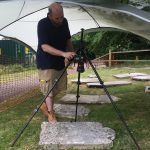
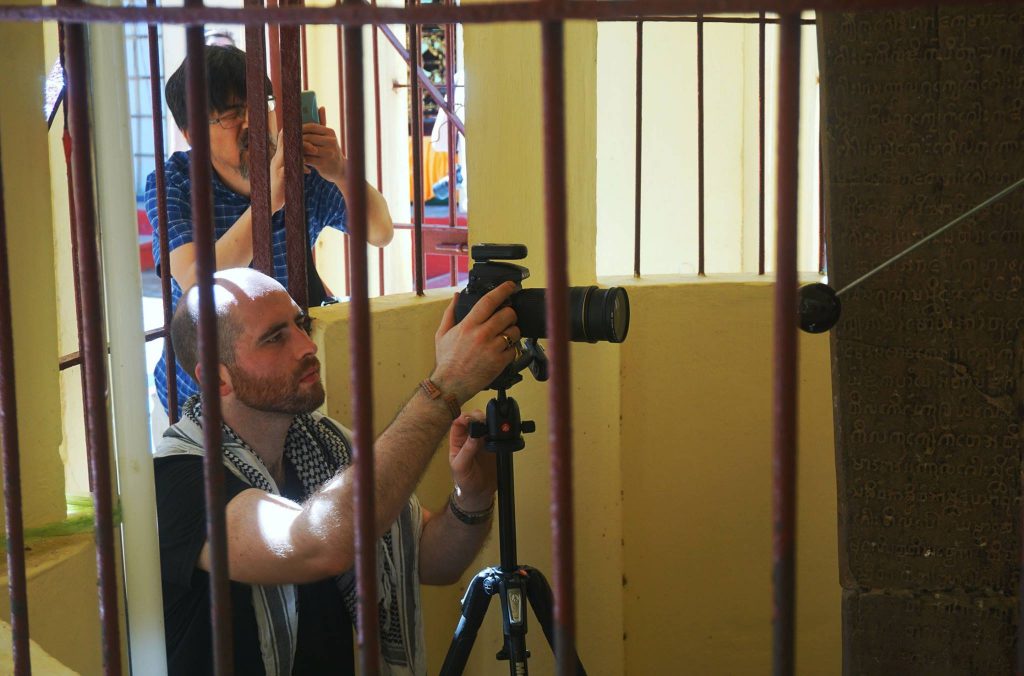
Archaeovision applied its established, portable RTI workflow:
- fixed camera and stable tripod,
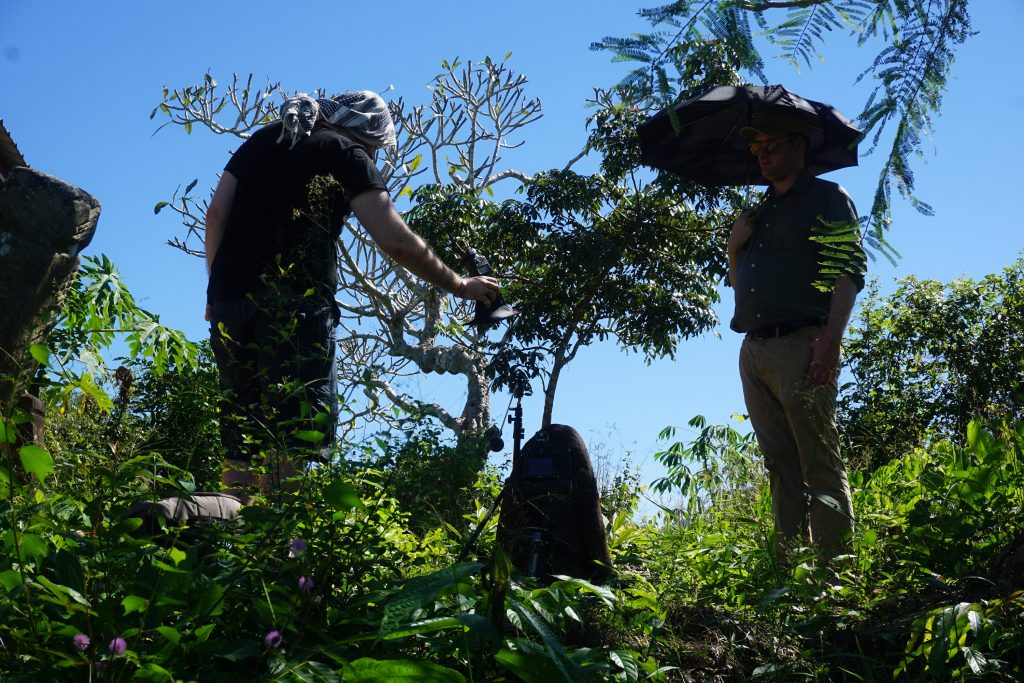
- reflective sphere for light vector calculation,
- hand‑held lighting moved across controlled arcs,
- shaded conditions where possible to maintain even illumination.
Processing and Deliverables
RTI datasets were processed into PTM‑format RTI files, then packaged with capture and processing metadata and exported with viewer‑ready files for researchers and editors.
Photogrammetry
Purpose
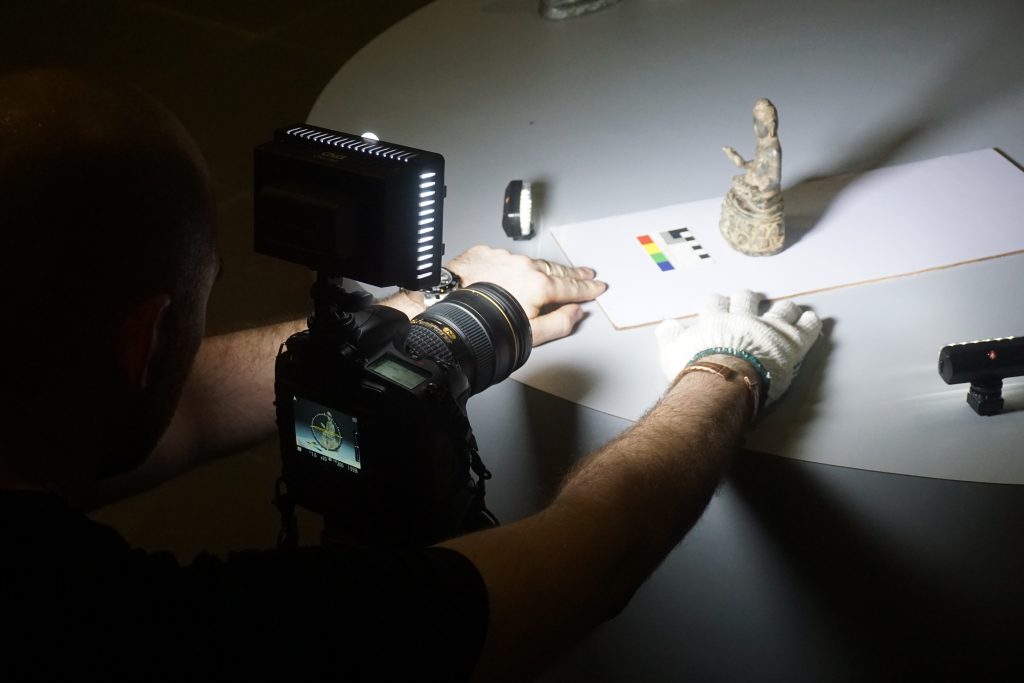
Photogrammetry captured overall geometry, producing accurate 3D models and orthophotos suitable for publication and comparative analysis. These outputs complement RTI by supplying measurable morphology and scalable views.
Capture and Processing
Archaeovision employed its standard workflow: high‑overlap photography with fixed‑length lenses, colour calibration and scale control, processing in Agisoft Metashape, and export of OBJ/PLY meshes with high‑resolution TIFF textures and orthophotos.
Locations and Materials Documented
The November 2016 imaging covered museum collections, site museums, and in situ material across the core Pyu centres and key repository cities. The brief descriptions below summarise the archaeological character of each place and the type of material prioritised for RTI and photogrammetry.
Sri Ksetra,(Hmawza / Pyay)
Sri Ksetra, (near modern Hmawza, Pyay) is the largest of the Pyu urban sites, with extensive brick defensive circuits, monumental stupas, and a long occupation sequence. It forms one of the three city cores of the UNESCO ‘Pyu Ancient Cities’ inscription alongside Halin and Beikthano. Imaging here focused on museum‑held inscriptions and sculptural fragments, plus selected architectural elements in the archaeological zone, where RTI aids legibility of worn surfaces and photogrammetry provides scalable documentation for publication.
The local repository is the Sri Ksetra Archaeological Museum (Hmawza), which houses a concentrated collection of Pyu‑period stonework, including urns, reliefs, and stelae referenced throughout the Pyu corpus. For a recent update on the museum’s digitisation programme, see the notice from the Global New Light of Myanmar.
Halin (near Shwebo)
Halin is the northern member of the UNESCO‑listed triad of Pyu cities. It preserves city walls, gates, Buddhist brick monuments, and an extensive settlement history. Imaging at Halin (site museum and accessible stones) supported RTI of inscribed faces and photogrammetric models of relief fragments and architectural pieces. See the UNESCO entry for the Pyu Ancient Cities and the site overview for Halin: UNESCO listing; Halin overview.
For background on Halin’s long chronology (late prehistoric into historic) and current research, see the French archaeology portal: Halin — French Archéologie (MAFM).
Beikthano (Bago Region)
Beikthano, a planned brick city with a citadel and monastic quarters, is a cornerstone of the Pyu urban system and one of the three cities recognised in the UNESCO inscription. Work here prioritised museum‑held inscriptions and carved architectural elements suitable for RTI and scaled 3D documentation. See the UNESCO summary across the three cities: Pyu Ancient Cities.
Bagan (Pagan) — Tharaba Gate Context and the Bilingual Stela
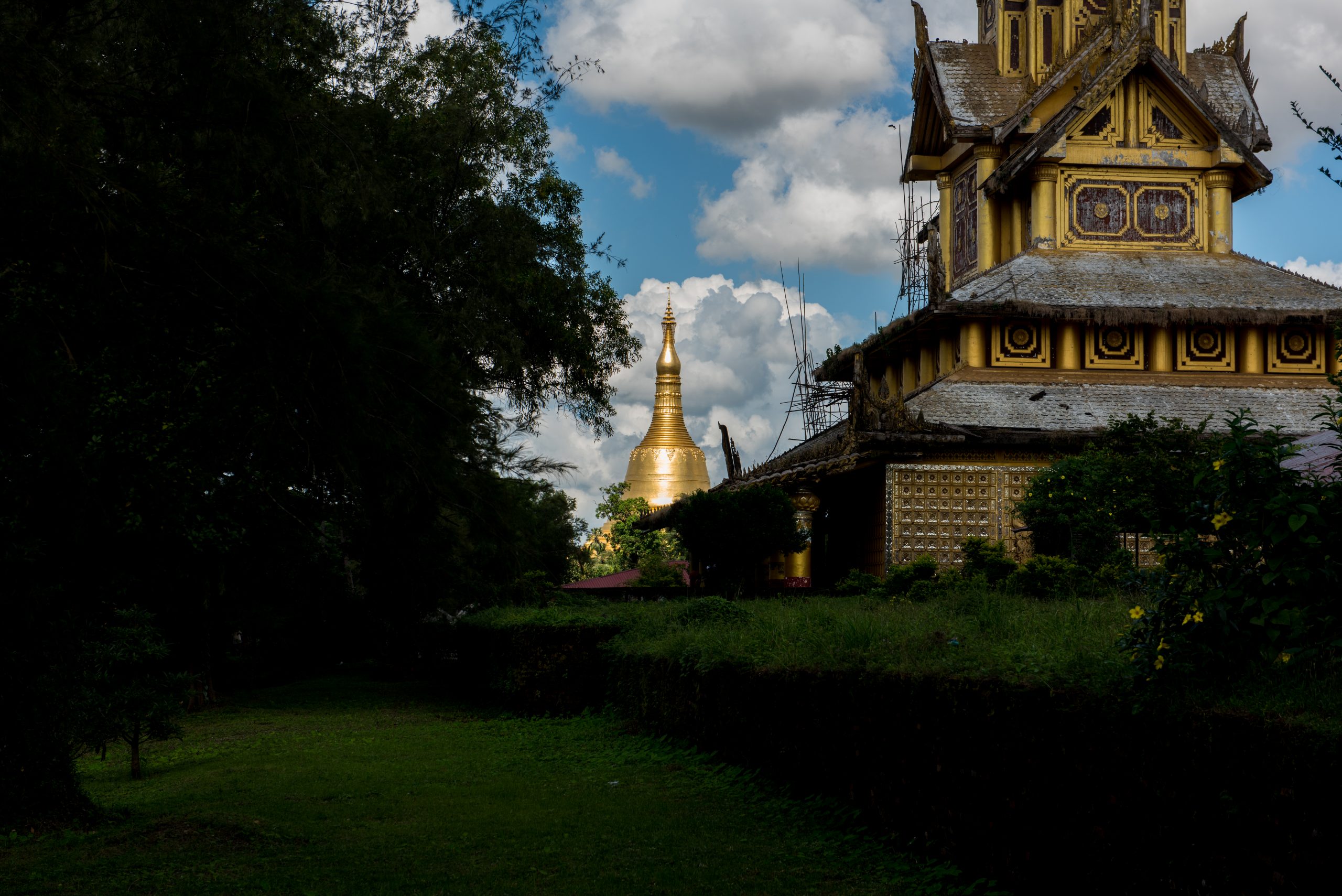
Although Bagan is later in date, it preserves crucial evidence for the persistence and reuse of earlier scripts. Imaging included materials in the Bagan Archaeological Museum and targeted items with ties to the Pyu corpus, notably the bilingual Chinese–Pyu stone stela near the Tharaba Gate (PYU 11), whose condition and legibility benefit from RTI and controlled photographic documentation. Detailed catalogue and concordance information for PYU 11 are available in the Corpus of Pyu Inscriptions, with a dedicated figure record on Zenodo.
For wider context on the bilingual stone and its scholarship (late‑thirteenth‑century horizon), see short research essays discussing the Chinese face and historical implications: Tea Circle Myanmar; and the archived Oxford version Tea Circle Oxford.
Yangon and Naypyidaw — National Museum Collections
National collections in Yangon and Naypyidaw hold significant Pyu‑related objects, including stelae and early sculpture formerly or currently exhibited in Yangon, and catalogued metal and stone pieces in Naypyidaw. These collections are important for corpus coverage and cross‑referencing to site museums. Where permitted, RTI sequences were created for inscribed or low‑relief faces, and photogrammetry was used for volumetric documentation. For examples and scholarly discussion of early stone material linked to Śrīkṣetra now displayed in Yangon, see Gutman & Hudson’s study (BEFEO): JSTOR record; a readable summary is also available via the Angkor Database.
Mandalay — Palace Inscription Building
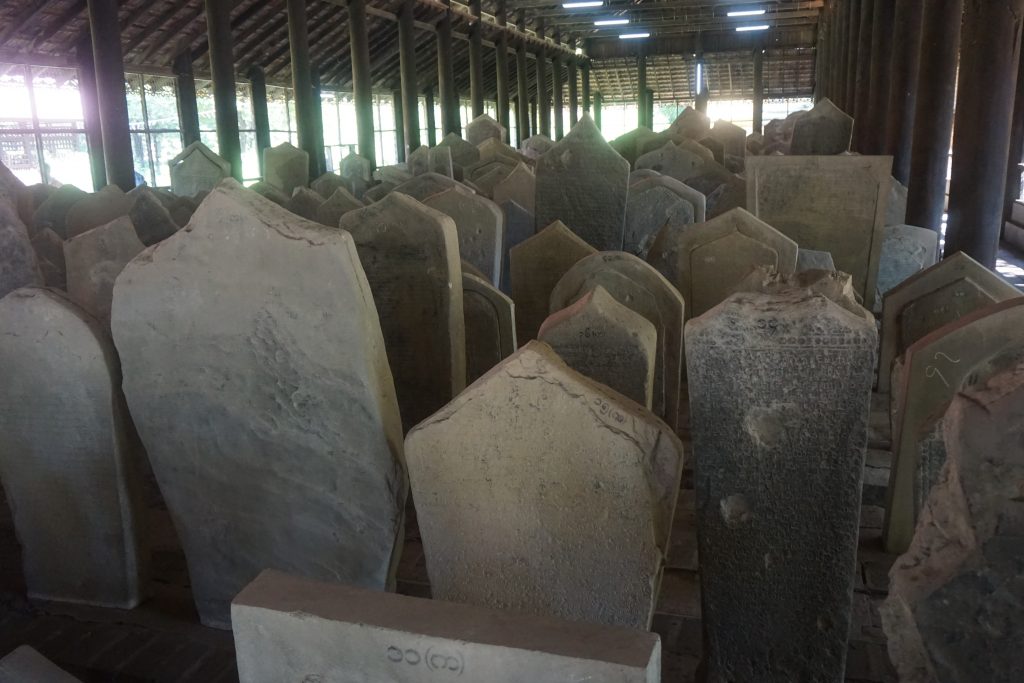
Within the Mandalay Palace complex, the inscription building preserves multiple stone records; selected Pyu‑related material here was documented for legibility and reference. The Mandalay corpus provides a bridge between regional holdings and the site museums, and is cited within the Studies in Pyu Epigraphy inventory framework and the online corpus (see BEFEO 103, 2017 — Zenodo and the Corpus of Pyu Inscriptions).
Pyay (City) — Interface with Śrīkṣetra
As the service town for Sri Ksetra,, Pyay is the administrative and logistical gateway to Hmawza’s museum and archaeological zone. The regional museum infrastructure is being updated and digitised, reflecting long‑term conservation and access ambitions for the Pyu heritage area; see the Sri Ksetra Museum digitisation notice.
Why these places matter for digital recording
Together, Śrīkṣetra, Halin, and Beikthano provide the baseline urban sequence of the Pyu millennium, as recognised by UNESCO in 2014. Imaging undertaken across these nodes and their associated museum repositories ensures the key inscriptions, reliefs, and architectural fragments are captured at two complementary scales: micro‑topography for script legibility (RTI), and measurable geometry for comparison, publication, and future conservation checks (photogrammetry). For context, see the UNESCO announcement (2014) and the World Heritage listing.
Integration with Editorial and Linguistic Research
Editorial Work
The RTI and photogrammetry outputs have supported editorial discussions, re‑examination of letterforms, the correction of earlier readings, and the preparation of publication plates in both Studies in Pyu Epigraphy I and Studies in Pyu Epigraphy II.
Linguistic Analysis
High‑fidelity imagery is essential for palaeographic analysis, phonological reconstruction, and comparative study, supporting research led by Nathan W. Hill, Marc Miyake, and colleagues across the two publication milestones.
Comparative Epigraphy
The EFEO framework uses these datasets to compare Pyu inscriptions with those from Andhra Pradesh and wider South and Southeast Asia, a perspective advanced across the two volumes and consolidated in the digital corpus.
Data Management and Archiving
Archaeovision organised data according to a stable archive structure:
- RAW – capture files,
- WORKING – RTIBuilder and photogrammetry projects,
- FINAL – PTMs, meshes, textures, orthophotos,
- METADATA – object information, capture settings, repository notes.
The deliverables and documentation align with the catalogue and metadata standards used by the Corpus of Pyu Inscriptions.
Challenges and Adaptations
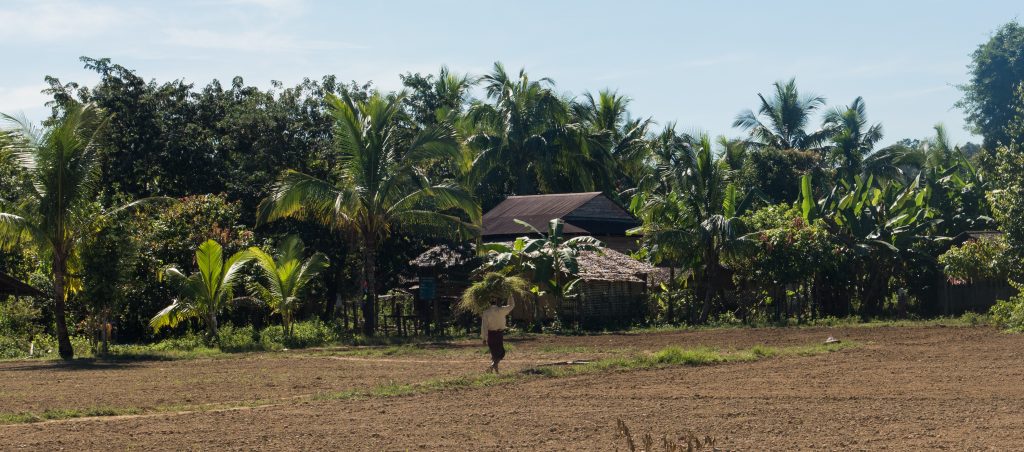
Work in Myanmar required flexible, resilient workflows: bright outdoor lighting necessitated shaded RTI setups; museum access constraints shaped capture geometry; and some objects were stored in tight spaces that required careful sequencing. The workflows were adapted accordingly to preserve quality and consistency.
Contribution to the Pyu Epigraphic Programme
The 2016 imaging campaign delivered:
- a high‑quality RTI dataset of Pyu inscriptions,
- scaled photogrammetric models and orthophotos for publication,
- a unified archival structure compatible with the digital corpus,
- datasets supporting Studies in Pyu Epigraphy I and II.
An example RTI can be seen below, providing an insight into the work captured
Conclusion
Archaeovision’s November 2016 imaging programme produced a coherent, citable digital record aligned with the scholarly needs of Pyu epigraphy. By supporting both the ERC Beyond Boundaries sub‑project and the EFEO / Ho Foundation project, the imaging forms an essential component of the research infrastructure behind the study of early urban Myanmar.
Together with the Corpus of Pyu Inscriptions, Studies in Pyu Epigraphy I, and Studies in Pyu Epigraphy II, these datasets help secure the long‑term preservation and readability of the Pyu inscriptional record.