The Roman fort of Vindolanda, just south of Hadrian’s Wall, continues to transform our understanding of life on Rome’s northern frontier. While the ink-written Vindolanda tablets are world-famous, a lesser-known group of artefacts — the wooden stylus tablets — is now revealing equally compelling stories, thanks to innovative digital imaging and interdisciplinary collaboration.
What Are the Vindolanda Stylus Tablets?
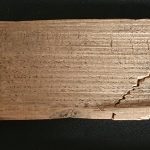
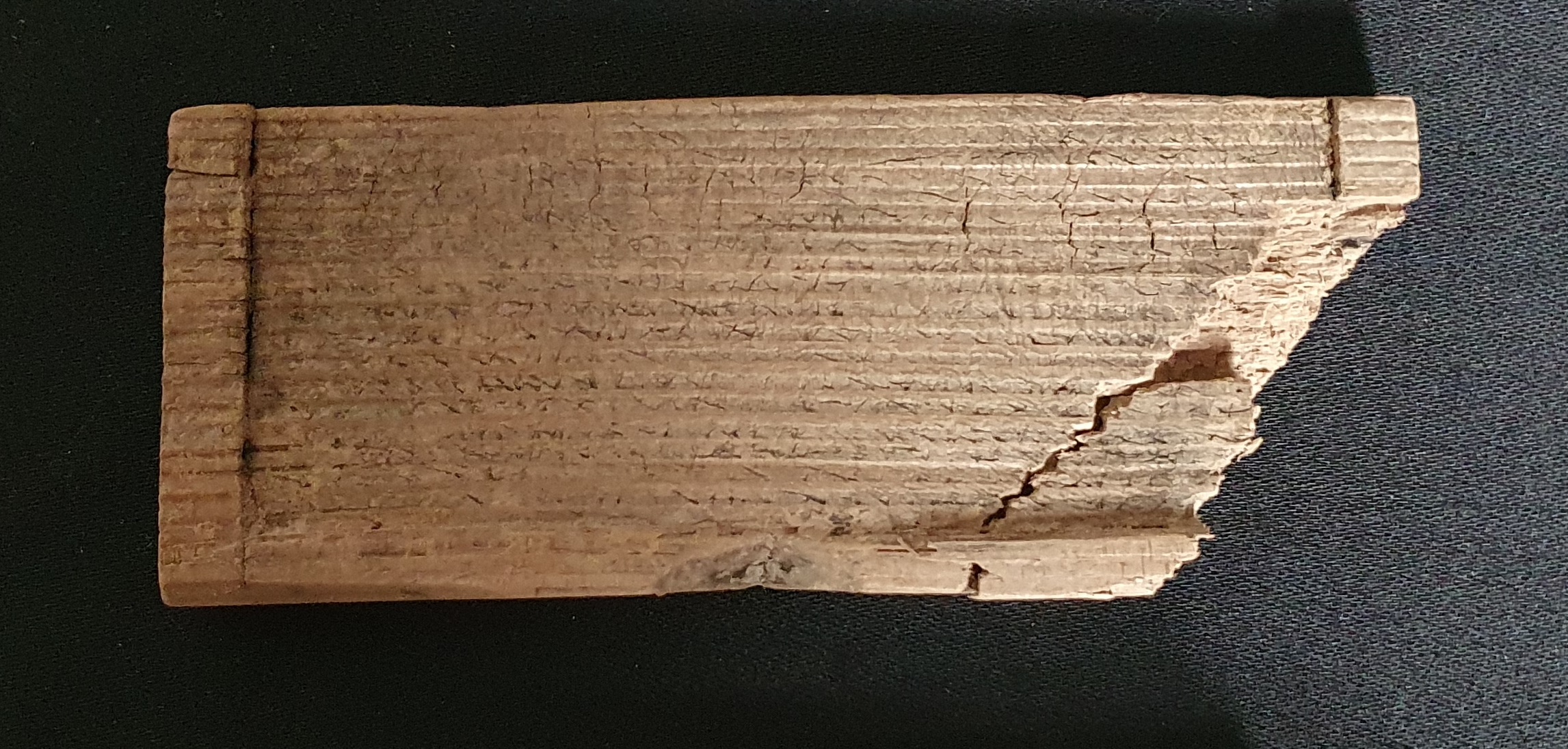
Alongside the ink tablets, over 300 stylus tablets have been recovered from Vindolanda. These thicker wooden boards were originally coated in wax and written on with a stylus. Although the wax has not survived, pressure from the stylus often left subtle scratches in the wood beneath — traces that are incredibly difficult to read using conventional techniques.
For decades, many of these tablets remained unpublished or only partially understood. Today, however, new digital approaches are allowing researchers to detect and enhance these almost invisible marks, opening a new chapter in the study of Roman writing and administration.
Illuminating the Tablets Through Digital Innovation
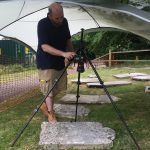
Recent research projects have applied advanced imaging methods — including Reflectance Transformation Imaging (RTI) and ultra-high-resolution 3D laser scanning — to the Vindolanda stylus tablets. These techniques allow scholars to visualise surface variations measured in microns, revealing writing that cannot be seen with the naked eye.
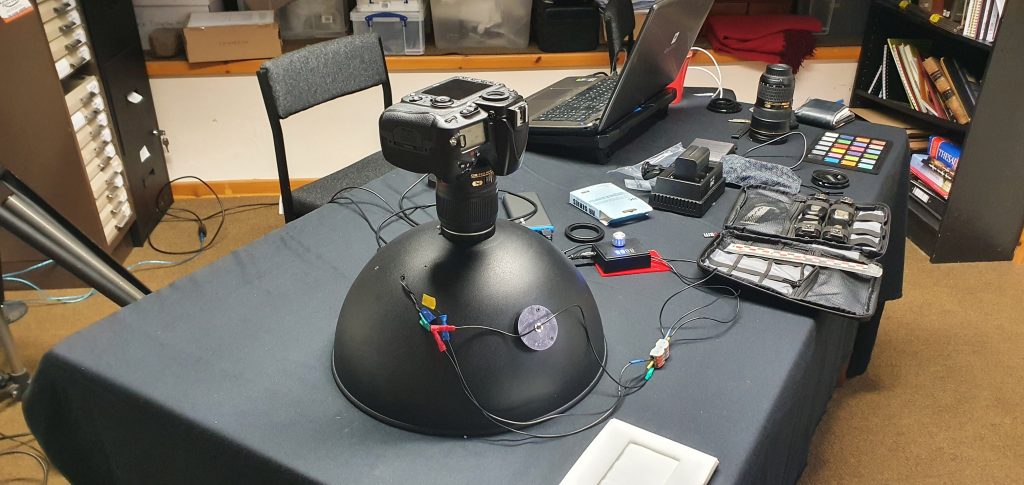
A key element of this work is the creation of precise 3D models that can be digitally relit and manipulated, offering new ways to identify letter forms and writing sequences. These methods not only enhance legibility but also create permanent digital records of extremely fragile artefacts.
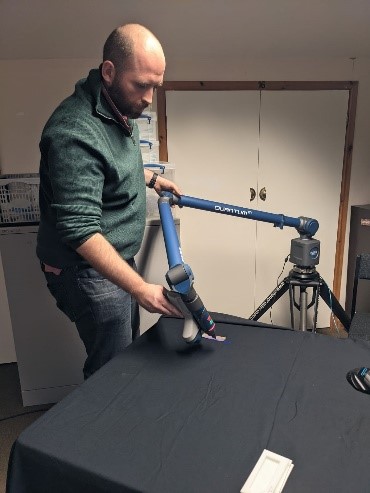
An important contributor to this work was James Miles of Archaeovision, whose expertise in high-resolution 3D scanning and digital visualisation was central to the analysis of the stylus tablets. By applying cutting-edge recording techniques, Archaeovision helped bridge the gap between material culture and readable text.
This collaboration exemplifies Archaeovision’s wider mission: using advanced digital technologies to unlock information from archaeological objects that would otherwise remain inaccessible. The Vindolanda stylus tablets demonstrate how digital humanities and archaeological science can work together to transform historical research.
From Legal Documents to Lived Experience
The potential of this work is already clear. One stylus tablet from Vindolanda has been identified as a deed of sale for an enslaved person — one of only two such documents known from Roman Britain. Through careful digital enhancement and scholarly analysis, this tablet sheds light on legal practice, economic transactions, and the realities of enslavement on the imperial frontier.
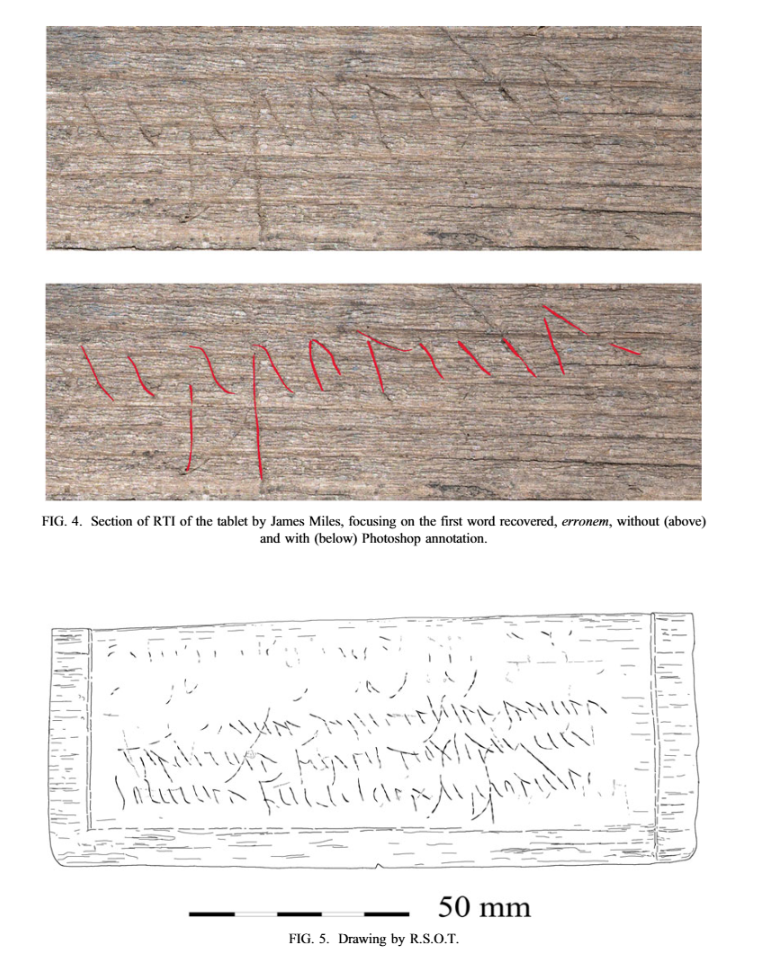
As more stylus tablets are studied using these methods, they promise to expand our understanding of administration, literacy, and everyday life at Vindolanda — complementing the famous ink tablets while adding new dimensions to the historical record.
Why This Work Matters
The Vindolanda tablets capture the voices of individuals who lived, worked, governed, and endured on the edge of the Roman Empire. By recovering texts once thought lost forever, researchers are not only expanding historical knowledge but also preserving fragile cultural heritage for future generations.
Thanks to collaborations between institutions, scholars, and specialists such as Archaeovision the faintest marks on ancient wood can now speak again — reminding us that innovation is often the key to hearing the past more clearly.